
Author: Rob Loveday and Kiersten Sundell
In January, US Energy Secretary Chris Wright ended the Department of Energy’s (DOE’s) longstanding use of ALARA to govern its standards for radiation exposure in the country’s nuclear energy industry. And the implications for the sector could be pretty seismic, to say the least.
But what is ALARA? It stands for ‘As Low As Reasonably Achievable’, and as its name suggests mandates a principle whereby nuclear operators must minimise radiation exposure as functionally possible to workers and the wider public. The concept is rooted in the ‘linear no threshold’ (LNT) model of radiation risk, which assumes that any exposure to radiation, no matter how small, has the potential to cause harm.
The problem is that the LNT model, which was adopted in the mid-20th Century by scientific bodies and regulators, is based on assumptions that have pretty scant support from the actual scientific evidence (check out some of our other blogs and videos on the subject to find out why).
Be reasonable for a minute
So, bearing that in mind, what counts as ‘reasonably achievable’? Well, it depends on how you interpret that pretty ambiguous wording. And how you interpret it can cost billions of dollars. People working in commercial nuclear operations and DOE facilities have long pointed out how ALARA’s vague mandate has justified massive expenditures for ever-smaller reductions in radiation dose, even when those doses are already far below regulatory limits. In fact, a 2025 Idaho National Laboratory study found that 58% of monitored workers at commercial light-water reactors received no measurable radiation dose at all in 2022. Zero. And we’re still spending billions to reduce it further.
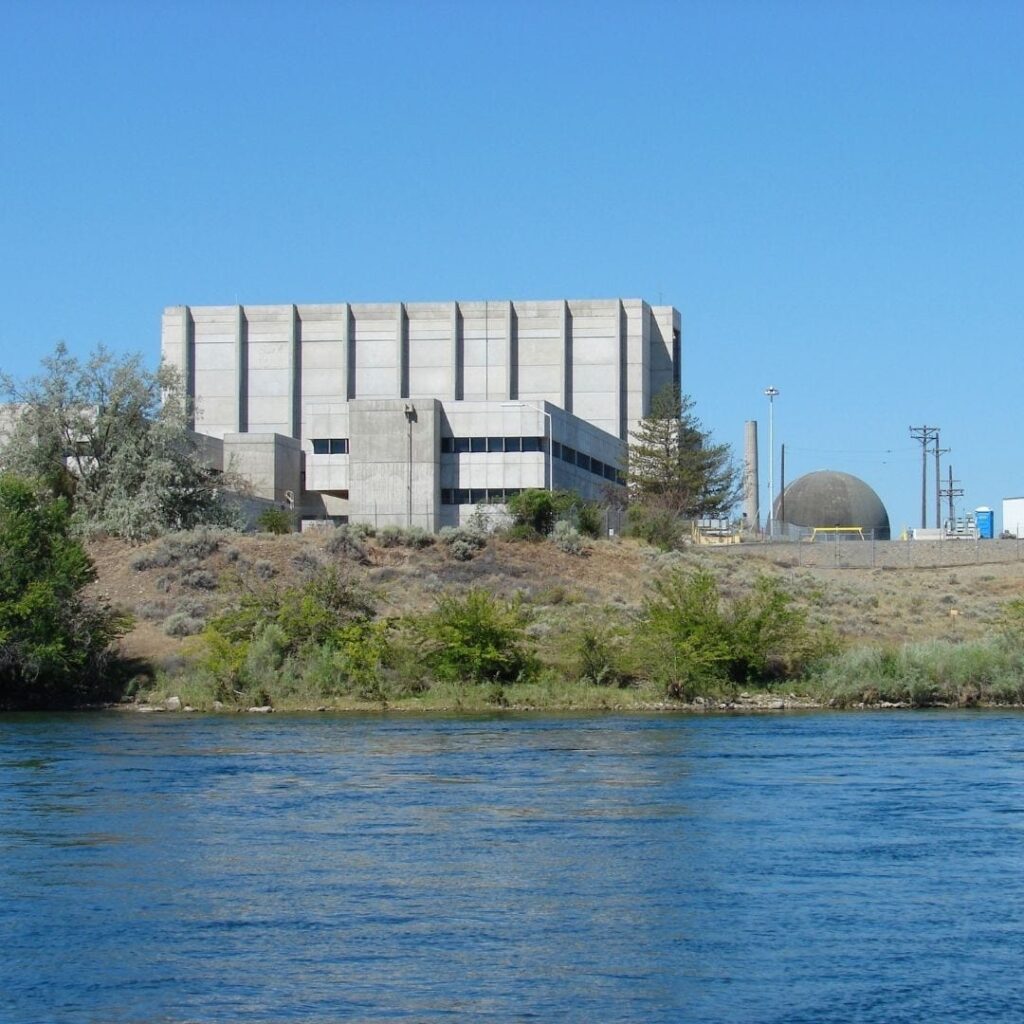
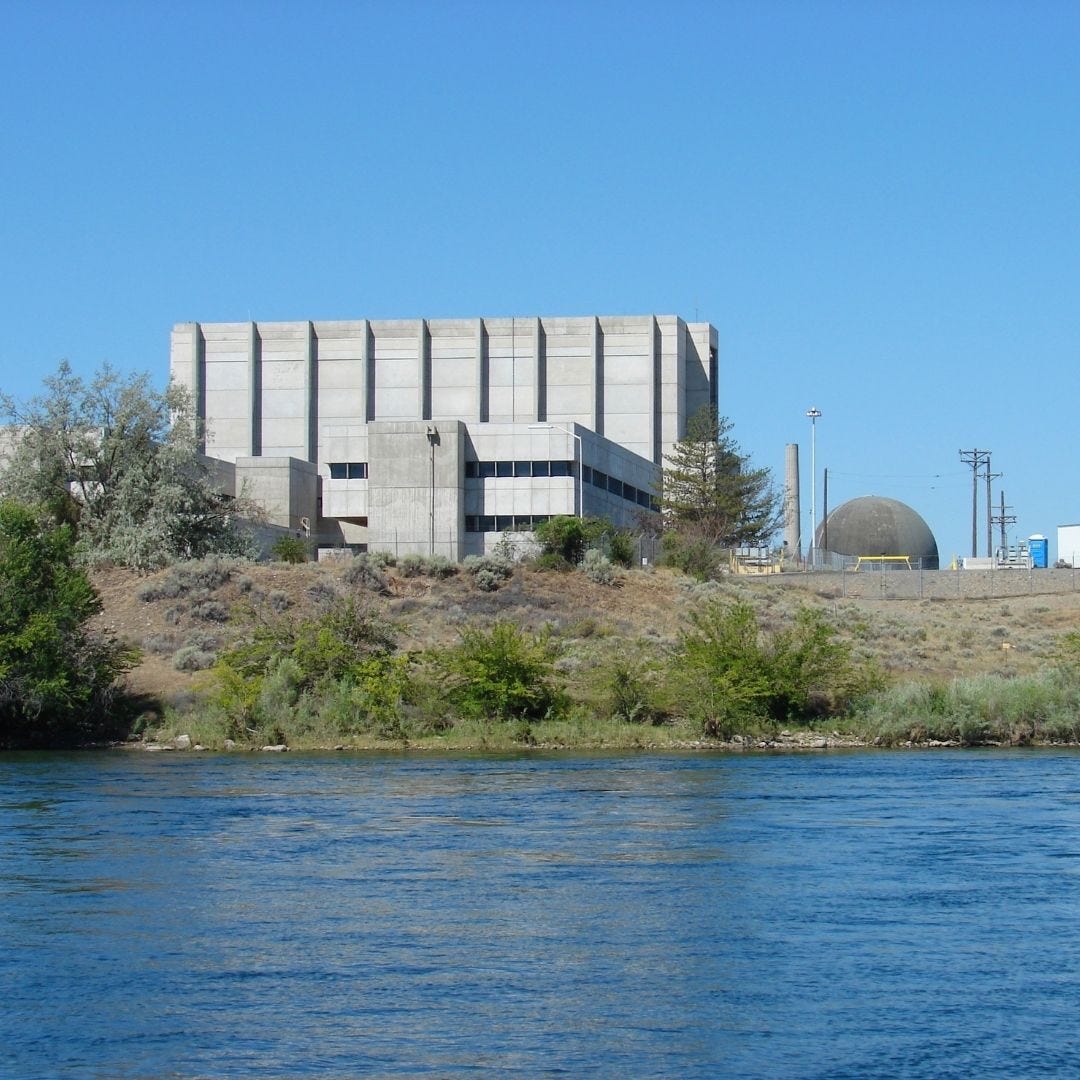
A good example of this is the Hanford site in Washington state. Hanford was the country’s main producer of plutonium for nuclear weapons during World War II and the Cold War – not a commercial nuclear energy site – but is widely described as one of the most costly clean-up sites in the US. Costs to clean up Hanford are projected to be in excess of $300 billion over the next 60 years.
However, recent surveys of radiation levels found that most areas of the site measured the same as natural background radiation. What’s more, any radiation hotspots were lower than the average level of background radiation in Finland. But, because these levels aren’t yet “as low as reasonably achievable”, the US is spending all that cash to remove every possible trace of radiation from the site.

Money, money, money
Of course, it’s important that we do clean up the site. But given the increasing evidence against the LNT model, not all of that vast expense is necessary. And just think what some of that money could be used for instead – expanding clean energy, subsidising healthcare, building affordable housing, help paying for childcare, education… the list goes on. When we pour resources into achieving negligible radiation dose reductions at legacy sites, we’re making a choice about priorities – and maybe that’s a choice that should be reconsidered.
Critics have said that abandoning ALARA will weaken worker protection, undermine public trust and blow a hole in regulatory coherence, as well as altering the nuclear industry’s established ‘safety first’ culture. But anyone who’s visited a nuclear plant knows that safety is not only the #1 priority for these plants, but also a massive source of pride for those who work there. So it’s hard to see how that would change.
ALARA asks us to continually reduce radiation doses below already conservative safety limits, even when we’re driving toward levels that have never been shown to cause health effects. So, it’s time to move on from disproven 1950s science and say: sayonara, ALARA.
Check out our video explainer on TikTok and Instagram!